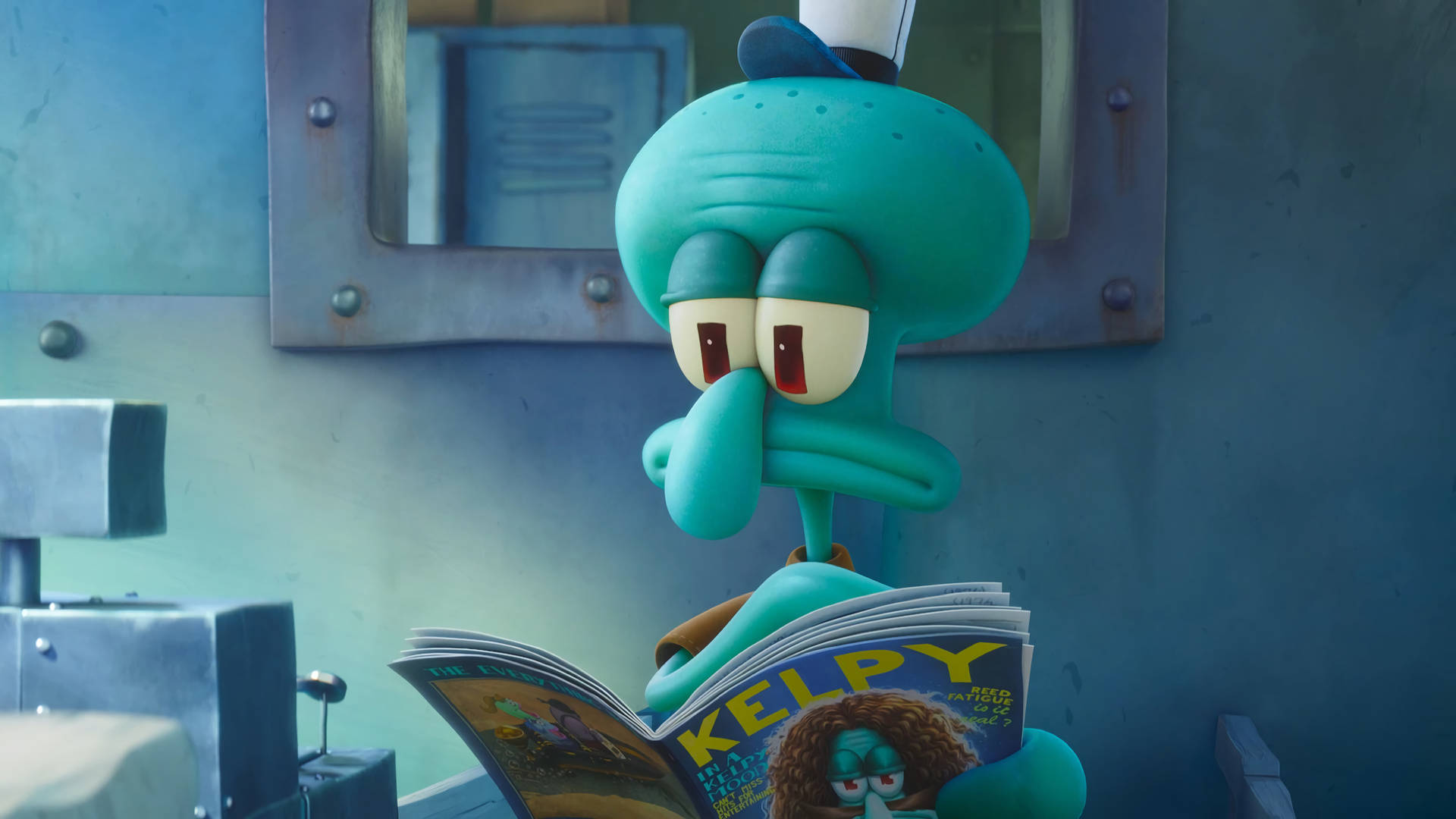
Squidward Tentacles, the long-suffering neighbor of SpongeBob SquarePants in the beloved animated series, has become a symbol of adult frustration and disillusionment. While the world of Bikini Bottom thrives on chaos and absurdity, Squidward longs for the exact opposite—solitude, quiet, and personal space. He craves the kind of peace that his job at the Krusty Krab and his proximity to SpongeBob and Patrick never allow. This constant interruption to his preferred lifestyle is not merely a plot device for humor; it’s a poignant reflection of how society often neglects the needs of introverted or artistically inclined individuals. Squidward is not merely a grump—he is a character trapped in a world that not only doesn’t understand him but actively works against his every effort to secure the tranquility he so desperately desires.
The Pursuit of Solitude in a Loud World
Squidward desire to be left alone is not about misanthropy but about seeking sanctuary from overstimulation. From his clarinet playing to his love of fine arts, Squidward represents those who find meaning in solitude and self-expression rather than in social interaction. Yet he is constantly surrounded by chaos, especially from SpongeBob and Patrick, who—despite their genuine affection—unwittingly violate his boundaries at every turn. This ongoing invasion highlights a larger issue in the real world: the difficulty of preserving personal space in environments that favor extroversion and constant interaction. Whether it’s through thin apartment walls or the expectations of workplace collaboration, the ability to enjoy solitude often comes at a high emotional cost. Squidward’s life becomes a comedic but also tragic example of how little control one can have over their environment, no matter how much they yearn for peace.
An Unending Struggle for Autonomy
The real tragedy of Squidward’s existence is not that he is left out, but that he is never allowed to opt out. In almost every episode, his attempts to disengage from the zany happenings around him are thwarted by the ever-enthusiastic SpongeBob and Patrick, who do not seem to comprehend the concept of personal boundaries. Even when Squidward makes physical moves to distance himself—like building walls or moving away—somehow, the noise and absurdity find him again. This raises a larger question about autonomy and the limits of control over one’s personal environment. While Squidward’s exaggerated reactions are played for laughs, they also illustrate a fundamental truth: not everyone wants or thrives in the same kind of social setting. The inability of others to respect this leads to a deeper form of isolation—not one of being alone, but of being surrounded yet completely misunderstood.
A Character Who Speaks to the Overlooked
Despite being often portrayed as the antagonist or the comic foil, Squidward’s character resonates with many who feel overwhelmed by the expectations of a society that values cheerfulness and constant engagement. He reflects the exhaustion that comes from working a thankless job, living near noisy neighbors, and never truly having a moment to oneself. His misanthropy is a defense mechanism, a way to cope with a world that never pauses long enough for him to breathe. Yet in rare moments, Squidward shows vulnerability and even a sense of longing for connection—suggesting that his quest for solitude is not absolute, but rather an urgent need for balance. His story is not one of bitterness, but of survival in a world that continuously chips away at his mental peace.
The Irony of a Life Never Alone
In the end, Squidward’s greatest irony is that although he is often portrayed as isolated and alone, he is never truly given the chance to experience the solitude he craves. His loneliness stems not from absence but from the constant presence of individuals who fail to understand him. This contradiction gives Squidward a unique place in the narrative of SpongeBob SquarePants—a character who is alone in a crowd, ignored while constantly being bothered. His ongoing struggle serves as a reflection of modern frustrations: the desire for peace in a world that doesn’t stop talking. Whether in fiction or reality, Squidward’s life poses a question that remains unresolved: can anyone who values solitude ever truly be left alone when the world itself is built on endless interaction?